
IP
Investment Portfolios
Indexing
Sifting through hundreds of thousands of hours of indexed videos
Investment Portfolios
Sifting through hundreds of thousands of hours of indexed videos
Investment Portfolios
Arcmira media summary
Explore podcasts, interviews & explainers on investment portfolios — 4 indexed from Future Proof & FreightWaves, updated Oct 2025.
I think one of the new areas or newer areas that has gotten a lot of attention and I can't believe it the model portfolio. I'm sure you guys have heard about this all through the three days you've been here. We are working on that. We have our own. We have partnered with other very large asset managers, Goldman Sachs, Black Rockck to get to the place where advisers have a lot of ease of access, transparency, and options, right, for the different types of needs their clients might have, whether that's income, downside protection, yield. And so you look at the types of things we're looking at here and it's everything from different managers who are looking for model portfolios across public and private markets.
we have certain portfolios that are model portfolios, but then we're working with multiple different asset managers across the industry to customize those model portfolios. So we have some that have more of like a tactical approach, others that are more long-term strategic. And so it's about having solutions that are going to meet the needs of the adviserss that we have across the firm while at the same time, you know, ensuring that we're able to do it in a way that is costefficient. And so what that means is is making decisions about what it is that we're going to do inhouse. Where is our time best spent? One of the areas that you know we we do have an in-house solution is when it comes to direct indexing and that's something that we're able to do really well in-house but then there's other things where we are leveraging partners and that's what enables us to be able to provide more uh solutions across the platform that meet a diverse set of needs across our advisor base. Okay, great. And maybe we'll do a quick as you mentioned custodians like a quick lightning round on who do you custody with and do you have more than one? Yeah, we're multi-custodial uh with Schwab and Persing. And Persing has two different sides of it, the PIS and LLC. And that's pretty important. I would candidly say if you're looking at Persing and sorry, I know BNY is pretty close to here, but be looking at the LLC side. The PIS side is kind of not where they're they're growing as much tech stack. the LLC's drive is being uh driven by WOOVE and they're investing a lot in it. But um you know, I definitely think they're they're important. Schwab's been great because they uh you know, finished their acquis acquisition and they've got all the the tools they've got. They've got I bal and everything else. So I think Schwab's also a pretty strong custodian for us. Yeah, we work with about five plus custodians uh including Schwab, Fidelity, those are just some of the larger ones. But in addition to that, we have relationships with Persing, with Axos, SEI, LPL. So, so we are definitely multic-custodial. That comes with some pros as well as cons. On the pros side, I would say, you know, we've grown a lot via acquisition. And so working with that many custodians means that you know if an advisor comes to us they don't necessarily have to repaper all of their clients and it's much more seamless less relearning for them and their team. However from a con standpoint I would say is is that you know operationally it does make things more challenging uh for our ops teams for our trading team. We do have centralized trading and so one of the things that's been really helpful is we work with Orion for the portfolio management system and they have a fixed flyier connection with each of the different custodians. So we are able to trade using Orion and you know connect with the different custodians and that makes things much more streamlined from a trading standpoint. From a client service standpoint many of the teams that are joining us that are they're used to working with the custodian that they've been with and so because of that like it it makes it a little bit easier there. I will say though we have certain designated subject matter experts for various different custodians and that helps us keep things a little bit more streamlined. What's the uh aum you would take to to open with a new custodian? I assume there's some limit that you would be like, uh, no, I'm sorry, but no. Yeah, I mean, we wouldn't start a new relationship with I I think we have most of the major custodians covered at this point. So, if you find another one, like, let me know. I know. I'm like, who else is out there that we could possibly be working with? I also forgot to mention we we do also custody with Goldman Sachs. So I don't want to um uh so I would say it would be at least like a couple hundred million that we would need on a platform to consider starting a relationship with a new custodian, but again I feel like we've got our bases covered at this point. I can't think of who else is out there that we would need to Yeah, that sounds like good advice. So it sounds like the advice is basically add custodians but realize it's going to add complexity to the CIO's office to manage all those relationships and you need an in-house expert probably for each one. Anything else you want to add to that, Victoria? I think it's the data feeds and linking everything in that's the hardest part. like end of the day obviously you need to be able to support it but everybody is super difficult about data feeds and that is probably the hardest part of of this job is everything sounds great on paper and everybody's like yeah let's work together we'll set up let's add this manager or add this tamp or add this tech and then you get into the weeds of like okay cool how do we actually do this and they're like h no I don't really want to send that data feed or we're not set up to send that data feed or we actually want you to work with this tech stack because this data feed's established And so that's probably I think the hardest thing is that custodians get super uh you know I get it they also need to be scalable on their operations but they don't want to work with just every single piece of technology out there. And so that would be the one thing and I'm sure I sound like an old putty because this is future proof but as you're um looking at all this new future technology realize not everybody's set up to work with it yet and not integrated yet. So I think the one question you need to ask, do you have an existing relationship actually set up? Not we're in negotiations or we're talking to them or this or that, but do you have an actual data feed relationship set up with this custodian on this side? Because some of these custodians have like multiple different parts of their business. So they'll be like, "Oh, sure. We work with Schwab, but uh not really Schwab Advisor Solutions. We just meant like this little bit over here that you can't access." So, I think all of this tech is amazing and there's going to be so many opportunities down the road. But the number one question I would ask them is, do you actually currently physically work with this custodian? Yeah, I think that's really important because I can't tell you how many times I've heard, oh, that's on the road map or that's going to launch next quarter. And then next quarter rolls around, I'm like, hey, what's going on with that? And it's like, uh, yeah, I think maybe next quarter. Yeah, that's the that's the story of my life. It's coming. It's next quarter 100% 90 days absolutely going to be live. Okay. No, that's great. I thank you for that. Um I did want to bring it back to the clients because that's sort of working with the tech providers. What about when clients come over with an advisor and they have you know a unique need or something that you haven't encountered and they want to fit it in. How do you deal with that? Well, one would be the hope you can map it to something existing. use tax overlay, use direct indexing, long short, something on platform to help them transition out of it. If it is truly something for us, it's a couple million bucks to add a new strategy. Like we're not going to onboard some SMA strategy because some dude's got 250K. Sorry, just not going to happen. But you've got a couple million bucks or it's core to your business. So I think there's a limit. Um because people don't understand onboarding a manager isn't just about okay, here's the data feed, here's the contract, here's the fees. It's the due diligence. you know, we as a firm take a lot of responsibility. If something goes wrong and this manager, you know, makes some horrible decisions or they start straying from their mandate. It's up on us to make sure we're actually doing due diligence. So, it's not just paperwork, negotiating fees, getting them on platform, getting the data feeds, and getting everything set up. It's also about do we feel comfortable with this manager? Do we feel confident in this investment? The biggest thing I always ask of like, do you actually do what you say you're going to do, right? if you have downside if you're a downside protection manager like cool I want to see like actual numbers and that gets harder because so many new products are coming out uh that that and I'm going to tell you this I have never ever ever seen a bad back test ever's got a great back test everybody's investment works like trust me don't worry it'll work look at these back tested numbers and think about how many investments have blown up or not come through or not done anything so for me again buddy duddy uh I like to say like three years of actual operations and numbers and then I'll consider you. I don't I don't really want something new and groundbreaking because unfortunately I've seen it go wrong too many times. And while that can be frustrating for some advisers, at the same point I'm like we're we're also taking some responsibility here to provide you with a platform that that we've done due diligence on. I think the one area I've bent on a little bit is crypto funds because we've we've had to provide a solution. You have to have a a a a theme and understand crypto. And honestly, quite frankly, you need to to be able to say yes, you can solicit and buy crypto or else your adviserss are going to leave. I mean, I bet and things like that, but even that to compliance agreeing that we could tell their our adviserss that they could go out and solicit crypto. Rafa, so when we're looking at acquiring new firms, one of the things that we're always doing is investment due diligence. It's like a standard part of our process where we'll have the the the teams that are, you know, thinking about joining us. Send us a list of all of their investments. What are the holdings in them? And then, you know, I'll do a holistic review of everything. Make sure that I'm comfortable. And there might be certain things that come up that I'll have additional questions on. Um, in terms of what do you do when it's something that you can't get comfortable with, right? Um, and there's a couple of different avenues there. one is is to to think about okay what's the sizing of this investment relative to the overall portfolio and is it something that we could potentially manage around over time right because a lot of times what happens nowadays is you have investments that have tons of embedded gains right and I think that's the number one fear that I hear from adviserss that we're talking to who are thinking about joining another firm or you know bringing their their book of business over it's like what are you going to do about my existing client portfolio with embedded gains are you just going to turn the entire portfolio over and cause a bunch of t taxable gains? And my answer to that is always absolutely not. We're going to think about this and we're going to work together collaboratively on it. Now, if it's a situation where, you know, it's something that just cannot get comfortable with. I think in in that in that scenario, you know, it might be something where we would carve that out and not bill on that portion of the assets. I also think there's always an exception to the rule. If you're big enough or we want you enough or the client's big enough, there's there's a the will and a way, but I I also tell my adviserss, I'm like, you get one or two chips a year. You can't come running to me every month being like one time, swear to God, last time I'm going to ask for it's like it's really got to be, hey, this guy's got 10 million in Nvidia and we need a solution or, you know, we're really looking for opportunity fund zone or alternatives and and you I feel like you've got to have something that checks every box. like do you have a way to do 1031s on alts? That's usually a pretty common way right of like hey I need that solution. Do you have private credit? You know you got to have like six private credit and you got to have an interval plan or this or that. So I feel like you got to build your menu. Um now the thing is it might be like you know going to the grocery store and they don't have honey crisp apples. Maybe you're going to have to take like a Gala apple. Sorry. Honey crisp is by the way still the best apple. But I mean it's the same thing, right? like you're going to have to convince them that this is this is an equivalent like let's go through the numbers like you know and then you know alts are also difficult to move depending on where it comes from if you come from a wire wires are phenomenal at that master feeder structure where they they're really trapped they're not really in that fund you're in a feeder fund which oh by the way happens to be proprietary to a Morgan a Merrill and some sometimes you got to be like those will wind down these are movable here's this but it's providing that road map providing those options and making sure our menu is robust enough that they feel comfortable that one, we're always looking, right? And I am I'm always looking. You want to talk to everybody like I want to hear every idea you've got. Um just because I don't pull the trigger doesn't mean it's not a good idea. It might mean I've got something similar on platform and you're not unique enough. Might be I think you're insane and so no. Um and it it might just be like I don't really have a need for it. It's too niche and and the it's not worth the process to onboard it. And they're not looking. Nobody wants to onboard and get like 20k in aum. they want to on board and and and have a decent decent relationship with you. Great. Rafia, what about uh crypto? Do you guys have a policy on that and and what do you Yeah, so we have certain crypto ETFs that we've approved that advisers can use. Um in terms of allocation and going back to my earlier point on how we think about that, like our suggested allocation is 1 to 2% of a portfolio. uh not necessarily more than that. Um and so yeah, that's how we think about it. It's not part of any of our model portfolios and that's an ongoing discussion. Do we explicitly want to add it there um to some of those investment strategies? But if a client requests it or some of the adviserss will, you know, they'll be have their own portfolio strategies and they want to add it, there's that's not an issue. We created like a digital appset capstone model. So it's meant as like to um it with another asset allocation model. So it's not meant to be a standalone necessarily. And there's multiple ways you can look at crypto and digital assets. You have I mean honestly if you're doing crypto publicly traded you're looking Ethereum and Bitcoin some sort. If not you're looking at kind of the the nextgen fintech digital asset support things. So either it's ETFs, which is something we're more comfortable with of some of the the fintech ETFs and the crypto ETFs, or you know, you're building an individual, which we have not, but I'm sure they're going to come down the road of, you know, it's all the ones that, you know, from strategy to Coinbase, the hood to to everything else that's involved in the crypto atmosphere. But we thought that was a neat solution of don't really want to add it to our models because the, you know, you got some guys that uh honestly we've gotten feedback from our adviserss. Some clients are like it's a scam. Absolutely not. if this touches the account like I'm firing you. So we had to like give the option of here's an availability you can use it uh to to wrap around an existing allocation model but it's not uh required to be part of the model. So that for us was kind of we thought a neat and tidy way of giving options uh making sure they're aware of what funds are in there uh but not making it like mandatory for for asset allocation models. Great. Well, I wanted to shift a little to the compliance question which we had talked about when we met earlier. How do you work with compliance and and what kind of advice you have? I'm sure crypto comes up. I'm sure AI comes up a lot to discuss. You have to be patient with compliance. It's their job. Their job is to say no. And it's a miserable job. And so I try to be very understanding. It doesn't mean I don't push back quite frequently and like but but they've lived it. Think about the different eras a lot of this have been through. I mean, you had multiple firms that got the pants suit off of them coming off the tech bubble because they allowed too much stuff happening inside portfolios and they didn't do due diligence. Compliance's job is to make sure you don't get the pants suit off of you if things go wrong. Hopefully, compliance never has to do that because everything's fine. But if something blows up like Circotch bubble or, you know, 2008 everybody got sued over, you know, having companies going bankrupt or more on the fixed income side with bonds going, you know, bankrupt. uh that's the compliance's job is to say have you considered if this goes really really wrong what's gonna happen to you uh and that's their job. So sometimes you have to take a step back and realize you need a strong person in that role that's saying no. Now we need them also to say yes sometimes. So again, it comes into what kind of chips are you going to cash and for us it was like you got to let everybody solicit crypto, you know, IBIT and Ethereum or whatever that may be. Like we got to we have to allow that on platform. But we understand that that we have to have some limitations. We make everybody take a a a cryptocurrency training, you know, there's an extra form to sign like how can we protect ourselves from this going wrong and still uh provide the avenue. Um, so compliance is necessary evil and it's their job to say no. And I think that just uh I think people have to have an appreciation. It's a terrible horrible job but a necessary. Rafia, your turn. Um, so our chief compliance officer is also our general counsel. He's a lawyer and so we work very closely and collaboratively together. Uh, and I mean I think that one of the things that I most appreciate is that, you know, he's able to to articulate sometimes what the regulatory issues are with something that, you know, we want to do. It's not just like no, it's yeah, but have you thought about this? You know, it's very much a conversation and it's not just somebody who's always saying no. it's instead someone who's asking questions and trying to understand what's the business or investment angle that we're trying to solve for uh versus what are the the regulatory risks that we have to consider. And so uh I think that it works pretty well. Um I think you know sometimes he says yes to things that that I really want and sometimes you know like there are certain things that we just aren't going to do. Um, and so it's, you know, it's a relationship that's built on trust, I think, over time and through different multiple different interactions. I think, you know, we end up in the right spot. I think it's a difficult job in this market because things are moving so fast. Think about in the last 12 months how many single stock leveraged ETFs have been launched or uh, you know, and those are like the new hot thing. How quickly cryptos moved, how quickly there are now new crypto ETFs. And compliance kind of loves to look and check their box and say what's the track record? What's you know people and company and it's moving quickly. So I do think compliance is trying hard. I think they're in a very difficult job because you do have all this stuff coming down the pipe and again there if you think about the number of lawsuits that came out of uh the tech bubble of 2008. You know anytime there's a massive market event there's lawyers circling saying did you provide proper disclosure? you know, were they aware of the risk of this investment? And you know, and and they're they're looking they're always looking. So compliance's job with legal is to protect you. Compliance has a very hard job because things are moving so fast. Um and and quite frankly, and sorry again, fuddy duddy, but I'm like some of these single stock leverage ETFs are very dangerous. Um and and that's where you have to be careful of what's an acceptable risk. Um yeah, we got to have something for publicly traded crypto. Absolutely. You need to have some sort of Bitcoin, Ethereum readily available. and what might be a little bit too dangerous right now. And I would say quite frankly, a 3x single stock leveraged ETF is one that I wouldn't want my advisor soliciting because that has lawsuit written all over it in a bare market. Yeah. Well, we're already starting to get some questions in, which is great. I wanted to just ask one more. So, we hit a few areas, but what do you do um and then we'll go to the questions. What do you do when you have an advisor who isn't, you know, getting on board with the uh program in terms of working with new technology or adopting your models and things like that? How does how do you manage that? Yeah. So, I'm I'm happy to take that one. So in terms of advisors and technology adoption, I think one of the things that's most important to recognize is some a really great advisor is going to be somebody who's good at managing client relationships. That does not 100% uh you know kind of uh jive with the ven diagram of being somebody who's technology savvy and recognizing that I think is really important and trying to meet people where they're at. Now there's some technologies at our firm that are absolutely core to our business and we want to make sure that advisors are adopting them. So for example using Orion as our portfolio management system or using Salesforce for CRM um those are things that we want all the advisers that are working with Paragon to use generally and so when you encounter that situation I think it's figuring out not necessarily making the advisor learn to use the technology but providing them the support that they need to be able to use the technology in a way that you know is is what we need as a firm. Uh and so so that's how we approach it. We try to be flexible where we can, but certainly there are certain things that we want uh advisers to use and and then it's like okay, if it's a really successful adviser, you don't want them spending their time, you know, in the CRM system trying to figure out how they put in their notes, right? Like that's probably not a great use of their time, right? Culture is is key. So one, making sure you're bringing the right people on. um having a plan of somebody NextG that that can understand technology. That's probably the biggest divide when we have firms that are trying to pass on to NextG and NextG wants to move forward and the senior advisers like no this is the way it's done it's always been done and that then that's causing friction. So some of it's training some of it's like candidly just be careful who you're bringing in. And then the third and I mean this very lovingly you can't fix stupid. So like if you're going to bring somebody in that doesn't understand technology, unless they're really ready to hand off the book and you have a succession plan and you're ready to get them over here and get them out as quickly as possible, the potential they become kind of infect the firm with their their males is is is key. So I look at that and say, are you willing to be flexible? Are you willing to learn? Um I'm not going to force you to have to use like jump AI or other tools, but you can't also inhibit the younger advisers on your team potentially from moving forward with technology. And that does cause friction because the older ones like I built this book and this is how it's done and this and that. Great 100%. Absolutely get the credit. You're getting paid for this but you need to let the book advance. You need to let your younger advisers run the book in a more efficient manner utilizing tech and AI and you cannot like kind of force them to be like handwritten notes like yeah that's a great point. I think that sort of onboarding new teams and uh evaluating new teams that's a good good thing to look at. Um all right let's go to the questions. We have one here. How should CIOS balance being portfolio architects with being business strategists driving firmwide growth? That's a great question. Rafia, do you want to jump in with that? Sure. Yeah. So, I think you need to be able to do both. Obviously, when you think about the the title chief investment officer, it's definitely you think of somebody who is going to be more focused on portfolios and building out those portfolios. But with that said, I think one of the biggest downfalls of some great CIOS that I I've come to, you know, interact with is they fall in love with an investment product uh that's super complicated, isn't going to get adoption across the firm, but they love it so much. Uh and and I think that that's something that you have to you have to be aware of because you know um where you're how where and how you're spending your time. Are you spending your time on things that are really value ad for the firm or things that are satisfying your intellectual curiosity or your desire for coming up with a really super complex product, right? Uh because there's a lot of products out there that advisers just don't want to take to their clients. So, one of the things that I focus on a lot is getting feedback from our adviserss anytime we're thinking about introducing something new to the platform. And many of the best ideas that we have are things that advisers have brought to us, things that they were doing in their book of business that we were then able to take out um and communicate to the rest of the firm and garner adoption on. And then they're the the ones who are also champions of that strategy to the other adviserss and saying, "Hey, this works really well for my book of business." So it's not just Rafia's telling me this is a good idea. it's like, oh well, Rafia thinks it's a good idea and this other adviser has found great success with that strategy in their book of business. So, I think listening is is a really key skill in this role, particularly as you're thinking about larger firms. And the second part of it is communication because many times you have to communicate something multiple times before you know it really resonates. Yeah, that's great advice. I think for me it's what do I need to touch versus what can my team help uh take care of and that you have to be a bit mercenary um on on what my time is and and what we're offering on what we're promising. Um obviously we're here to help advisers grow. We're here to help the firm grow. But end of the day if you suck at investing money then that's the number one problem. So I'm like keep your house in order. Make sure your portfolios are good. Make sure that you're taking care of that and and you're hitting the marks you need to hit. And then also, you know, part of the role of a CIO is external, right? You're either marketing for the firm. You know, you're marketing to help your FAS grow, you're running an event, you're rubbing a where doing a webinar or something like that. So, for me, though, it's mercenary. Like, I have to be very honest what I can and cannot do. But end of the day, I'm like, I also can't suck at my primary job. So, I take that pretty seriously. Great. Well, we're down to the last uh 30 seconds or so. Just as a quick end lightning round, is there one piece of advice you'd give the audience about, you know, setting up the investment platforms at your firm? Uh, do your due diligence, take your time. I know this is move fast, break things, blah blah blah, but take your time. I would say don't be afraid to ask partners for help. I think that's one of the things that I found most valuable uh over the last couple of years is just asking for, you know, from your asset managers like if you if if you uh come across like a difficult question or you're you're thinking about a certain strategy that you want to build inhouse, go and ask people for feedback and there's a lot of smart people out there and so I think there's no harm in asking for that help and seeing if maybe they're able to do it for you. Yeah, that's great. It sounds like communication is really key to your role here. So, thanks for um sharing how it all works. Thanks everyone for coming.
Investment solutions that enable greater security and optimization in retirement, used by JP Morgan and BlackRock.
have portfolios of all different kinds
Arcmira tracks 4 indexed media appearances or mentions for investment portfolios, tied to source videos, channels, and transcript-derived context.
Arcmira uses indexed YouTube videos and transcripts. Representative source evidence on this page includes "Expanding Private Markets: How RIAs Can Serve HNW & UHNW Clients" with transcript-derived context and links when available.
investment portfolios is connected to NVIDIA, AI, Goldman Sachs in Arcmira's media graph.
4
Mentions
323
Views
The trendline is visible, but the dated evidence behind investment portfolios is in the premium layer.
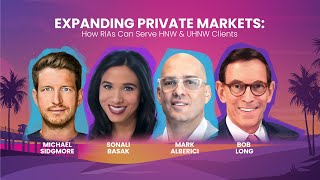
“I think one of the new areas or newer areas that has gotten a lot of attention and I can't believe it the model portfolio. I'm sure you guys have heard about this all through the three days you've bee...”
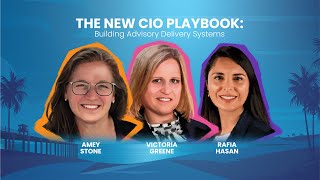
“we have certain portfolios that are model portfolios, but then we're working with multiple different asset managers across the industry to customize those model portfolios. So we have some that have m...”
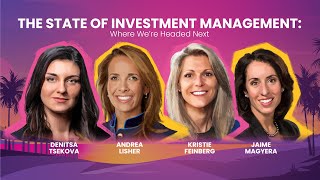
“Investment solutions that enable greater security and optimization in retirement, used by JP Morgan and BlackRock.”

“have portfolios of all different kinds”